



























Navigating joint health decisions requires clear information, and knowing what to expect when consulting an orthopedic surgeon for knee replacement surgery helps patients approach their evaluation with confidence. Working alongside a qualified orthopedic surgeon, individuals suffering from severe joint degradation can explore modern treatment options and understand how knee replacement surgery can restore mobility and relieve chronic pain.
Understanding the Role of an Orthopedic Specialist
When chronic joint pain impairs daily activities such as walking, climbing stairs, or sleeping, consulting a specialist becomes an essential step. A joint specialist evaluates the musculoskeletal system, focusing on bones, cartilage, ligaments, and surrounding tissue. Through detailed physical examinations and advanced diagnostic imaging, the specialist determines whether conservative treatments—such as physical therapy, lifestyle modifications, or joint injections—remain viable, or if surgical intervention is the most effective path forward.
Initial Assessment and Physical Evaluation
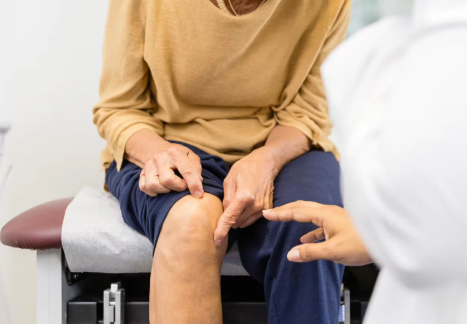
During an initial consultation, the physician conducts a comprehensive review of the patient’s medical history, past treatments, and current symptoms. A thorough physical assessment measures joint stability, range of motion, leg alignment, and muscle strength. Radiographic imaging, including X-rays and occasionally magnetic resonance imaging (MRI), allows the physician to evaluate the extent of cartilage loss, bone spur development, and joint space narrowing.
Discussing Surgical Options and Procedures
If non-surgical management no longer provides adequate relief, the doctor discusses surgical techniques tailored to the patient’s specific anatomy and lifestyle needs. Patients learn about total and partial joint replacement options, implant materials, and modern minimally invasive approaches designed to preserve healthy surrounding tissue. The consultation serves as a key opportunity to discuss realistic expectations, recovery timelines, and long-term functional outcomes.
Preparing for Recovery and Rehabilitation
A successful outcome depends heavily on pre-operative preparation and post-operative rehabilitation. During the consultation, the healthcare team outlines pre-admission testing, medication management, and home preparations required prior to the procedure. Post-operative physical therapy plans are established early, ensuring patients understand the necessary exercises and commitment needed to rebuild strength and regain joint function safely.
Conclusion
Consulting a specialist is a pivotal moment in managing severe joint pain and restoring quality of life. By understanding the diagnostic process, surgical choices, and rehabilitation requirements, patients can make informed, confident decisions about their joint health and long-term wellness.