




























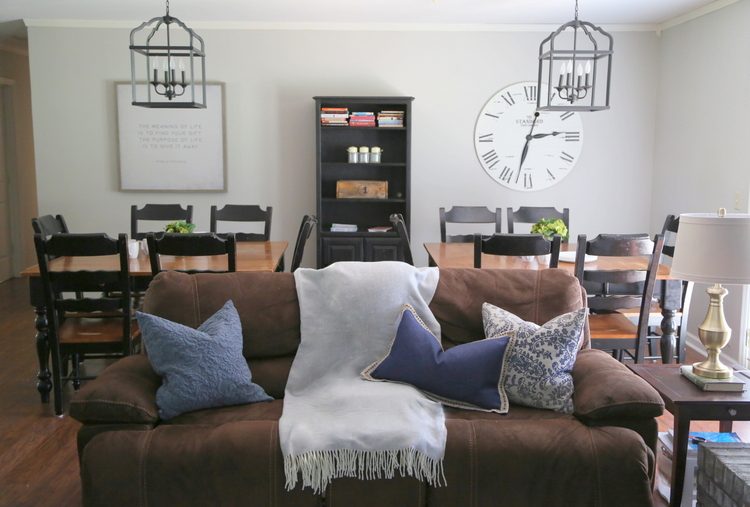
Refreshing a room doesn’t always require a full redesign or a major investment. In fact, some of the most noticeable transformations happen when you keep the larger pieces in place and rethink the details around them. Sofas, dining tables, and bedroom sets are often the most expensive elements in a home, so replacing them every time your taste evolves simply isn’t realistic.
The good news is that rooms rarely feel outdated because of furniture alone. More often, they feel tired because the surrounding layers, textiles, lighting, and window treatments haven’t evolved with the space. By shifting those elements thoughtfully, you can dramatically change the mood of a room without swapping out a single major piece.
Start with Windows
Windows are one of the largest visual features in any room. Because they sit at eye level and frame natural light, even subtle changes to them can transform the atmosphere of the entire space.
If your current window treatments feel flat or overly neutral, introducing patterned curtains can immediately inject personality. A subtle stripe, a soft botanical, or a muted geometric print adds movement and depth without overwhelming the room. Pattern doesn’t have to mean bold or busy; in fact, tone-on-tone or small-scale prints often feel the most sophisticated.
Curtains also influence how tall and polished a room feels. Mounting rods higher and allowing panels to fall cleanly to the floor can make ceilings appear taller and walls feel more finished. That simple adjustment can make existing furniture look more intentional and elevated.
Add Height With Top Treatments
Sometimes a room feels unfinished not because of what’s in it, but because of what’s missing above eye level. Bare windows can leave walls looking incomplete, particularly in smaller spaces or rooms with multiple windows.
Custom window valances offer a streamlined way to add softness without introducing floor-length fabric. Modern valances are far more tailored than their traditional counterparts. Clean-lined designs in textured fabrics can frame a window beautifully while maintaining a fresh, updated feel.
Valances work especially well as bathroom or kitchen window treatments where long panels might interfere with furniture placement. By adding detail at the top of the window, you draw the eye upward and create a sense of architectural completeness.
Layer in New Textiles
Beyond windows, textiles are one of the easiest ways to shift a room’s energy. Swapping throw pillows, adding a new area rug, or updating bedding can refresh the entire color palette without touching larger furniture pieces.
If your sofa is neutral, consider introducing seasonal color through pillows or a textured throw. If your dining chairs feel dated, reupholstering the seat cushions in a modern fabric can make them feel entirely new.
The key is cohesion. New textiles should relate to one another in tone or pattern so the room feels curated rather than pieced together.
Rethink Lighting
Lighting is often underestimated when refreshing a space. Outdated fixtures or dim bulbs can make even beautiful furniture feel dull.
Replacing a table lamp with something sculptural or switching to warmer bulbs can soften the mood instantly. In dining areas or living rooms, a new pendant or chandelier can redefine the style direction of the room without altering any furniture at all.
Layered lighting — combining overhead, task, and accent sources — makes a space feel dynamic and thoughtfully designed.
Rearrange Before You Replace
Sometimes a room feels stale simply because it has looked the same for years. Rearranging furniture can create new energy without costing anything.
Try floating a sofa away from the wall, angling chairs differently, or repositioning side tables. Creating more intentional conversation areas or improving traffic flow can make the room feel brand new.
Window treatments often look different after rearranging as well. You may notice that adding height or pattern at the windows helps balance a new layout.
Introduce Subtle Architectural Detail
Small architectural updates can also refresh a room dramatically. Adding trim around windows, installing crown molding, or updating baseboards introduces character that complements existing furniture.
Even painting the walls a slightly lighter or warmer neutral can make everything in the room feel more current. Because furniture typically occupies the center of the room, refreshing the perimeter — walls and windows — creates a noticeable shift without replacing the core pieces.
Edit and Simplify
Refreshing doesn’t always mean adding more. Sometimes it means removing what no longer serves the space.
Too many small accessories can make a room feel cluttered. Editing down shelves, simplifying coffee table styling, or removing excess décor can give the room breathing room. When the space feels lighter, existing furniture often looks more refined.
Window treatments can support this simplified approach. Clean lines, thoughtful fabrics, and properly scaled panels enhance the room without competing for attention.
Focus on Texture Over Trend
Trends change quickly, but texture feels timeless. Incorporating woven fabrics, soft linens, natural wood accents, or subtle patterns gives the room depth without locking you into a specific moment in time.
When updating window treatments, choose fabrics that complement the existing furniture rather than contrast sharply with it. Texture adds dimension, while extreme contrast can make older furniture stand out in ways you may not intend.
Final Thoughts: Refreshing With Intention
You don’t need to replace your sofa or dining table to fall back in love with a room. Often, the most impactful updates happen in the layers that surround your furniture — the fabrics, lighting, and especially the windows.
By introducing thoughtful pattern, adding architectural softness, and refining proportion, you allow the space to evolve while keeping its foundation intact. A refreshed room should feel lighter, more cohesive, and more aligned with how you live today.
When approached with intention, small changes can create a transformation that feels just as satisfying as a full redesign — without the cost or disruption of replacing everything you already own.