























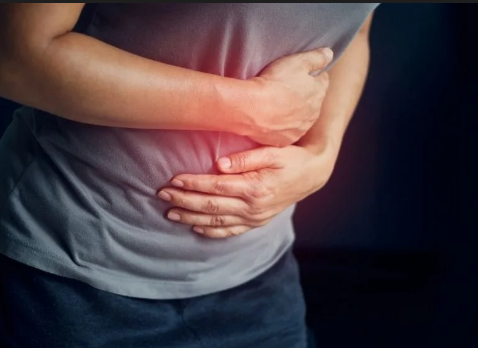




Appendicitis is one of the most common surgical emergencies worldwide, and in a fast-paced, global city like Dubai, where residents and visitors expect world-class healthcare, the protocol for its management is designed for speed, precision, and patient safety. The best hospitals in Dubai treat this condition with a highly streamlined process that moves rapidly from initial symptom to full recovery, often leveraging cutting-edge, minimally invasive surgical techniques.
Understanding this journey—from the moment a patient enters the emergency department to their eventual discharge—is crucial for anyone seeking immediate and effective care. The primary goal of this rapid protocol is to diagnose the condition quickly and remove the inflamed appendix before it ruptures (perforates), a complication that can lead to life-threatening infection (peritonitis).
The Critical First Phase: Rapid Diagnosis
The speed and accuracy of the initial diagnosis are the most significant factors in preventing complications from appendicitis. Hospitals recognized as the best hospitals in Dubai are structured to handle this emergency with immediate resources.
1. Emergency Triage and Clinical Assessment
When a patient arrives at the emergency department (ED) with symptoms of appendicitis, the clock is ticking. The typical presentation starts with a dull pain near the belly button, which then migrates to the lower right quadrant of the abdomen (McBurney’s point) and becomes sharp and intense.
- Initial Assessment: An emergency physician or surgeon will conduct an immediate physical examination, checking for rebound tenderness and muscular guarding, classic signs of peritoneal irritation.
- The Golden Hour: The best facilities aim to complete the initial assessment and diagnostic testing within the first few critical hours of presentation to secure a definitive diagnosis.
2. Definitive Diagnostic Imaging and Lab Work
While a clinical examination provides strong suspicion, laboratory and imaging tests are essential for confirmation, especially to rule out other conditions that mimic appendicitis (such as kidney stones, urinary tract infections, or gynecological issues in women).
- Laboratory Tests: A White Blood Cell (WBC) count is the key blood test. An elevated WBC count is a strong indicator of infection and inflammation.
- Imaging: Modern protocols rely heavily on advanced imaging performed right in the ED:
- Abdominal Ultrasound: Often the first line of defense, especially in children and pregnant women, as it is non-invasive and radiation-free. It can clearly show an enlarged, non-compressible appendix.
- CT Scan: Considered the gold standard in adults, a CT scan provides a high-resolution, definitive image, confirming the diagnosis, ruling out complications like abscess formation, and guiding the surgeon’s decision-making.
Once the diagnosis of acute appendicitis is confirmed, the patient is swiftly prepared for surgery. Delaying the operation beyond 12 to 24 hours after a clear diagnosis significantly increases the risk of perforation, although some studies suggest the risk of perforation increases significantly after 72 hours of symptom onset. The commitment of the best hospitals in Dubai is to minimize this delay, ensuring the procedure is performed on an urgent basis.
The Treatment Protocol: Laparoscopic Appendectomy
The definitive treatment for acute appendicitis is an appendectomy—the surgical removal of the inflamed appendix. The treatment protocol at world-class medical facilities overwhelmingly favors a minimally invasive approach.
The Laparoscopic Advantage
In the best hospitals in Dubai, the laparoscopic appendectomy is the standard of care for uncomplicated cases. This technique uses small incisions, a miniature camera (laparoscope), and specialized instruments, offering numerous benefits over traditional open surgery:
| Feature | Laparoscopic Appendectomy | Open Appendectomy (Traditional) |
| Incision Size | Three small incisions (typically less than 1 cm each) | One larger incision (2-4 inches) |
| Pain Level | Significantly less post-operative pain | Moderate to high post-operative pain |
| Hospital Stay | Often less than 24 hours | Typically 2 to 5 days |
| Recovery Time | Faster; return to work/activity in 1-2 weeks | Slower; return to activity in 2-4 weeks |
| Cosmetic Result | Minimal, small scars | Larger, more noticeable scar |
The surgical team, consisting of a general or laparoscopic surgeon, anesthesiologist, and skilled nurses, works with high precision. During the procedure, the inflamed appendix is tied off, detached from the colon, and carefully removed through one of the small incisions.
Protocol for Complicated Cases
While laparoscopic surgery is preferred, the best hospitals in Dubai have protocols for more complex scenarios:
- Ruptured Appendix: If the appendix has already burst (perforated), the surgeon will use the laparoscopic approach to clean the abdominal cavity (peritoneal washout) to remove infectious material and may place a drain to manage any fluid or abscess. In rare, highly complex or diffused peritonitis cases, an open procedure may still be necessary for better access.
- Appendiceal Abscess: If an abscess (a collection of pus) has formed, the initial management might involve a period of intravenous antibiotics and drainage (often guided by CT or Ultrasound), followed by a delayed appendectomy (interval appendectomy) 6 to 8 weeks later, or an immediate appendectomy depending on the patient’s condition.
The Road to Recovery: Post-Operative Care and Discharge
The efficiency of the treatment protocol in the best hospitals in Dubai extends far beyond the operating room, focusing on a rapid, yet safe, return to daily life.
1. Immediate Post-Operative Care
After the procedure, the patient is monitored in a recovery unit (PACU). Key aspects of this immediate care include:
- Pain Management: Effective, tailored pain protocols are essential, often involving a combination of oral and intravenous pain medication to keep the patient comfortable and encourage early mobility.
- Fluid and Diet Advancement: Patients are typically started on clear liquids soon after waking up. If they tolerate this, they quickly progress to a light, soft diet.
- Early Mobilization: Nurses encourage the patient to walk as soon as safely possible. This crucial step prevents blood clots (Deep Vein Thrombosis) and helps the digestive system restart.
2. Discharge and Home Care
For an uncomplicated laparoscopic appendectomy, patients are often discharged within 24 hours of the surgery. Before leaving, the patient receives detailed instructions on:
- Wound Care: Keeping the small incisions clean and dry. Most laparoscopic sutures are dissolvable and do not require removal.
- Activity Restrictions: Avoiding heavy lifting (typically over 5 kg) and strenuous exercise for 1 to 2 weeks. Light activity like walking is strongly encouraged.
- Dietary Guidance: Maintaining a soft, easy-to-digest diet initially and ensuring adequate fluid intake.
- Red Flags: Clear instructions on when to call the surgeon or return to the ED (e.g., persistent high fever, uncontrolled pain, or excessive drainage/redness at the incision site).
3. Full Recovery and Long-Term Outlook
The minimally invasive approach championed by the best hospitals in Dubai results in a remarkably quick overall recovery.
- Return to Normal Activity: Most patients are able to return to desk jobs or school within 3 to 7 days. Full physical recovery, including a return to all strenuous exercise and sports, typically takes between 1 to 3 weeks.
- Follow-Up: A follow-up appointment is usually scheduled with the general surgeon 1 to 2 weeks after discharge to check the incision sites and confirm the pathology results (the lab confirmation that the removed tissue was indeed an inflamed appendix).
The removal of the appendix has no known long-term effects on a person’s digestion or health, allowing patients who undergo this swift, modern protocol to quickly resume their normal, active lives. The commitment of Dubai’s premier healthcare institutions is to ensure that an urgent surgical event like appendicitis is managed with efficiency, expertise, and a patient-centric focus on recovery.